In Korea, traveling alone is no longer unusual.
On late-night trains, at quiet cafés, on seaside benches, or while walking through narrow city alleys, solo travelers blend naturally into the scene. What once invited questions—“Why are you traveling alone?”—now often passes without comment. Being alone no longer requires explanation.
How did Korea become a place where solo travel feels not only possible, but comfortable?
The answer goes beyond crime statistics or transportation systems. It lies in how Korean society has gradually reshaped its relationship with personal time, social distance, and everyday safety.
Safety as a Basic Condition, Not a Special Advantage
For solo travel to feel natural, safety must be assumed rather than negotiated.
Travel already involves unfamiliar places; traveling alone means facing that unfamiliarity without shared responsibility. In Korea, the stability of public safety, transportation, and urban infrastructure lowers that burden significantly.
Late-night streets are generally well-lit and active. Public transportation connects cities and neighborhoods with little friction. If you take a wrong turn, returning to a familiar route rarely feels dangerous or complicated. Over time, this reliability turns into a quiet confidence: being alone is not a risk.
This confidence doesn’t only belong to travelers—it extends to the people around them. Someone walking alone is not perceived as vulnerable or suspicious, but simply as someone going about their day. That collective assumption matters.
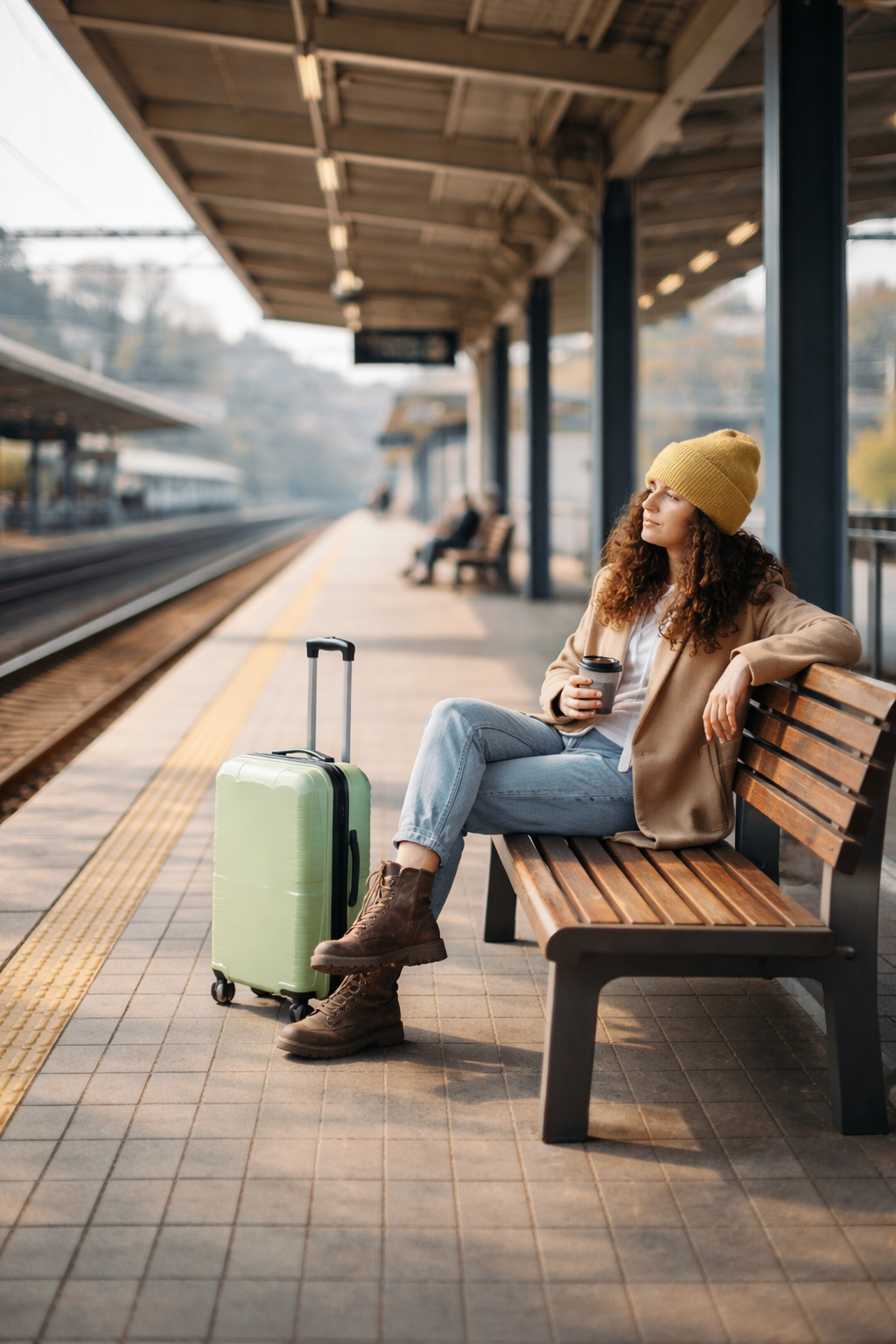
A Shift in How “Being Alone” Is Viewed
Another reason solo travel feels safe in Korea is the changing social attitude toward solitude itself.
In earlier generations, being alone often implied isolation or lack. Eating alone, watching a movie alone, or traveling alone could invite concern or curiosity. Today, those interpretations have softened. Solitude is no longer something that demands justification.
This shift represents an expansion of social permission. Being alone is neither pitied nor interrogated. It is simply one valid way of existing in public space. When solitude becomes socially neutral, solo travel stops feeling like a deviation and starts feeling like a choice.
Solo Travel as Observation, Not Escape
In Korea, solo travel is less about adventure or self-dramatization and more about observation and rest. Many solo travelers are not seeking extremes, but pauses—walking through neighborhoods, sitting by the sea, watching city life pass by from a café window.
This style of travel aligns well with Korea’s environments. Cities and destinations increasingly support experiences that do not require companions: quiet guesthouses, small cafés, walkable districts, scenic train routes, and mobile-first services that reduce friction.
As a result, solo travel becomes less about overcoming loneliness and more about recalibrating one’s internal pace.
A Culture of Non-Interference
One of the most understated reasons solo travel feels safe in Korea is the cultural comfort with non-interference.
Korean society is often described as collectivist, but in daily life it also practices a subtle form of personal distance. People coexist closely without excessive attention. A person sitting alone, walking alone, or traveling alone is rarely scrutinized.
This is not Western-style individualism that emphasizes separation. It is a different logic: you don’t need to be explained if you’re not disturbing others.
That quiet mutual agreement creates a sense of ease for solo travelers. You are seen, but not examined.
Digital Infrastructure Reduces Isolation
Solo travel in Korea rarely feels disconnected. Reliable internet, mobile navigation, digital payments, instant translation, and constant access to information all reduce uncertainty.
Even when traveling alone, people remain lightly connected—to friends, maps, reservations, and services. This combination of physical independence and digital reassurance makes solo travel feel controlled rather than exposed.
You are alone, but never cut off.
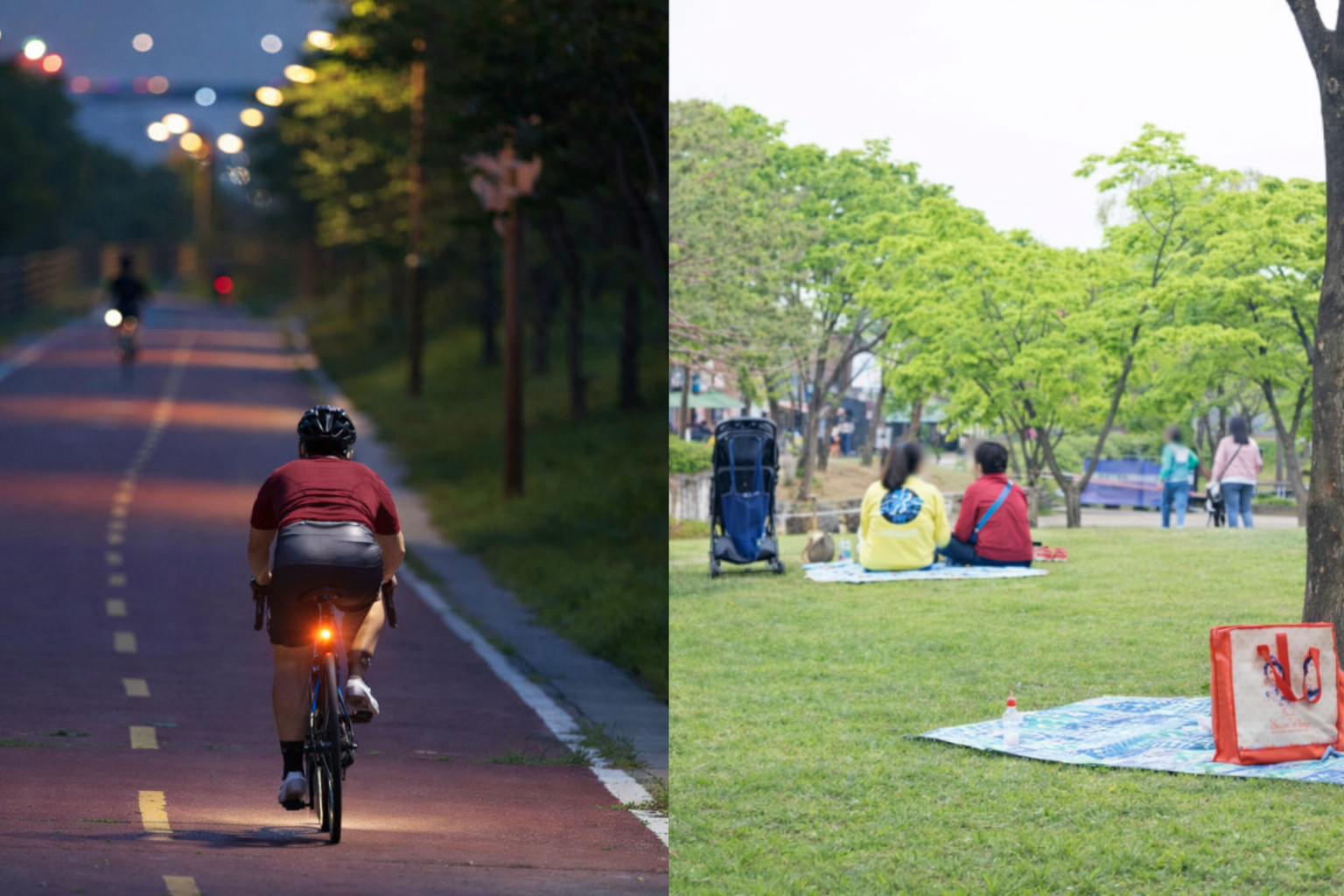
What Solo Travel Represents in Korean Society
The normalization of solo travel reflects a broader cultural shift. It suggests that personal space and recovery time are gaining legitimacy alongside social obligations.
Rest no longer requires company. Reflection no longer needs to be shared. Solo travel becomes one of many acceptable ways to reset—emotionally and mentally—within a busy, densely populated society.
In this sense, solo travel in Korea is not a rejection of relationships, but a maintenance of self.
Conclusion
Korea did not become a country where solo travel feels safe for a single reason.
It happened through the convergence of:
- dependable public safety and infrastructure,
- social acceptance of solitude,
- travel styles centered on observation rather than spectacle,
- a culture of non-interference,
- and digital systems that soften isolation.
Together, these conditions create an environment where traveling alone does not feel like stepping outside society, but simply moving through it at one’s own pace.
In Korea, solo travel is not exceptional.
It is an ordinary way to pause, to observe, and to exist quietly—without fear, and without explanation.
'일상의 기록' 카테고리의 다른 글
| 길 위에서 눈을 마주쳤다 (1) | 2026.02.10 |
|---|---|
| K-Drama Locations and Real-Life Korea (0) | 2026.01.06 |
| Why Koreans Are Comfortable Being Alone — But Not Lonely (1) | 2025.12.18 |
| Jeju Haenyeo: Life Beneath the Waves (0) | 2025.11.15 |
| 정점의 언어, 즐기지 않아도 해내는 사람들 (0) | 2025.11.02 |